Every designer knows this moment. We've stared at the same button, the same paragraph, the same bit of spacing so many times we can't tell anymore if it's right. Not because the problem is hard. Because we've stopped being able to see it.
We're quick to notice when something else needs attention. A computer breaks, we take it in to get fixed. Software gets outdated, we update it. A camera drifts out of calibration, the photographer sends it in for service before the next shoot. Nobody has to convince us that maintenance is normal.
Meanwhile, the person making all the decisions has had five hours of sleep and three coffees, and we somehow consider that a normal Tuesday.
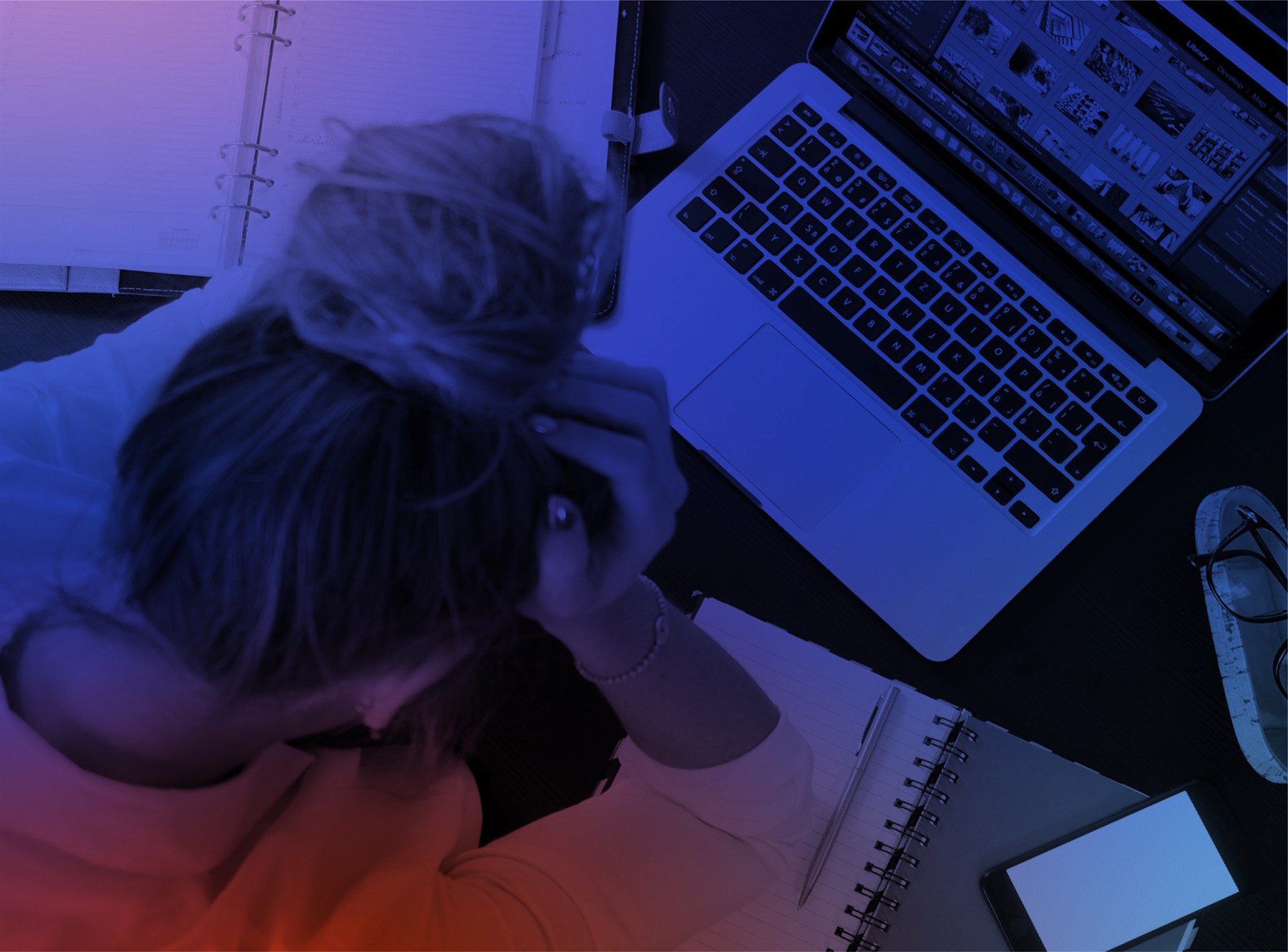
That's strange, when you think about it. The most important tool in the room, the one actually thinking, is usually the one we take the least care of.
Our judgment isn't separate from the rest of us. It doesn't float somewhere above the body, untouched by the week we've had. It runs on the same system that's tired, stressed, or hasn't eaten since breakfast. When that system is off, the work is off too, and we're usually the last to notice, because the thing we'd use to notice is the thing that isn't working right.
We like to tell ourselves that pushing through gets the work done faster. One more hour. Skip the walk. Answer one more email before calling it a day. But exhaustion doesn't make us stop having ideas. It makes us stop being able to tell a good one from a bad one. We grab the first answer instead of the right one and call it progress. Most of the time it isn't. It's just the fastest way out of a problem we're too tired to actually solve.
The most important tool in the room, the one actually thinking, is usually the one we take the least care of.
And here's the part that's easy to miss: working burnt out doesn't save time. It costs it. We spend three hours stuck on something a twenty-minute walk could have untangled in our head. The hours we "save" by never stopping have a way of coming back later, usually with interest.
Knowing when to stop isn't a soft skill. It's part of the job. The best designers we know aren't the ones who work the most hours. They're the ones who know exactly when their head works best, and protect that time on purpose. Morning person or night owl, sharp after coffee or sharp after a run, everyone has a window where the work is actually good. Outside that window we're not really working: we're just sitting there, tired, making something we'll redo tomorrow anyway.
So maybe maintenance isn't just a metaphor here. Maybe it's the actual answer. Take the walk around the block. Close the laptop before the idea gets worse instead of better. Learn our own best hours the way we'd learn a client's brand guidelines, because it's information we're actually going to use.
The most important tool on this job usually isn't the laptop, or the software, or the favorite pen. Most days, it's us.
And that tool has two halves that work together: the body and the mind. The quality we don't negotiate in design doesn't start in the file; it starts in the body we sit down to solve with and the mind we think with. Taking care of the instrument is the first design decision of the day. And nobody else is going to take us in for maintenance.