1.8 billion adults around the world aren't moving enough. According to the World Health Organization, 31% of adults don't meet the recommended levels of physical activity, a figure that rose five percentage points between 2010 and 2022.
We spend more and more time sitting. Working, creating, looking at a screen, answering messages, jumping from one meeting to the next. And when work is over, many of us stay in front of another screen.
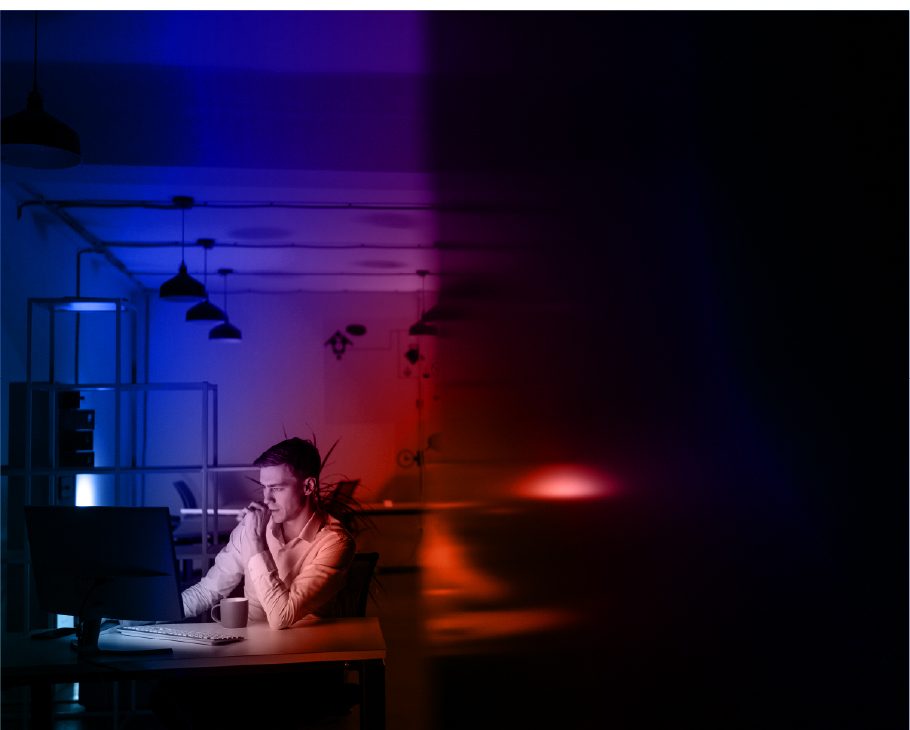
For those of us working in creative fields, there's something particularly relevant in this: the body and mind aren't something we bring to work. They're part of the tools we work with. We think with our minds, but we also work with our eyes, our hands, our posture, our energy, and our ability to concentrate. When any of those starts to suffer, the way we think and create changes too.
That's why taking care of our health shouldn't be something we do once we're already exhausted. It should be part of how we work. And it doesn't necessarily require major changes. Sometimes it's getting up from the computer, walking for a few minutes, changing position. Stopping before we keep chasing a solution we can no longer see. Ending the day without feeling that everything has to be solved today.
Then there are the rituals we build as a team. A healthy culture isn't defined only by the benefits a company offers. It's also in how we talk to each other when something goes wrong. In whether we can say we're overwhelmed. In whether a break is really a break. In whether we can ask for help before reaching our limit.
We shouldn't confuse being busy with doing good work.
In a creative agency that matters a lot, because the quality of our work depends directly on the people who make it. We can't keep asking for great ideas without taking care of the conditions that let those ideas emerge. We can't expect creativity if everything is built around urgency. And we shouldn't confuse being busy with doing good work.
Maybe the challenge is to stop thinking about health as something separate from the creative process. Just as we design a presentation, an identity, or a campaign, we can also design the way we work: build habits that sustain focus, create rituals that help us shift gears, make room to think without producing right away. And build a culture where taking care of ourselves isn't seen as an interruption to the work, but as part of doing it well.
Because a sustainable creative practice doesn't mean working less for the sake of working less. It means being able to keep thinking well, creating well, and enjoying what we do for longer. In the end, taking care of the body and mind is also a way of taking care of the design. And if our work is about designing things for others, it's worth asking how we want to design the way we work, too.
Source: World Health Organization (WHO), "Physical activity," 2024.